

23 Jan From Silos to System: Building a Newsroom that Actually Works
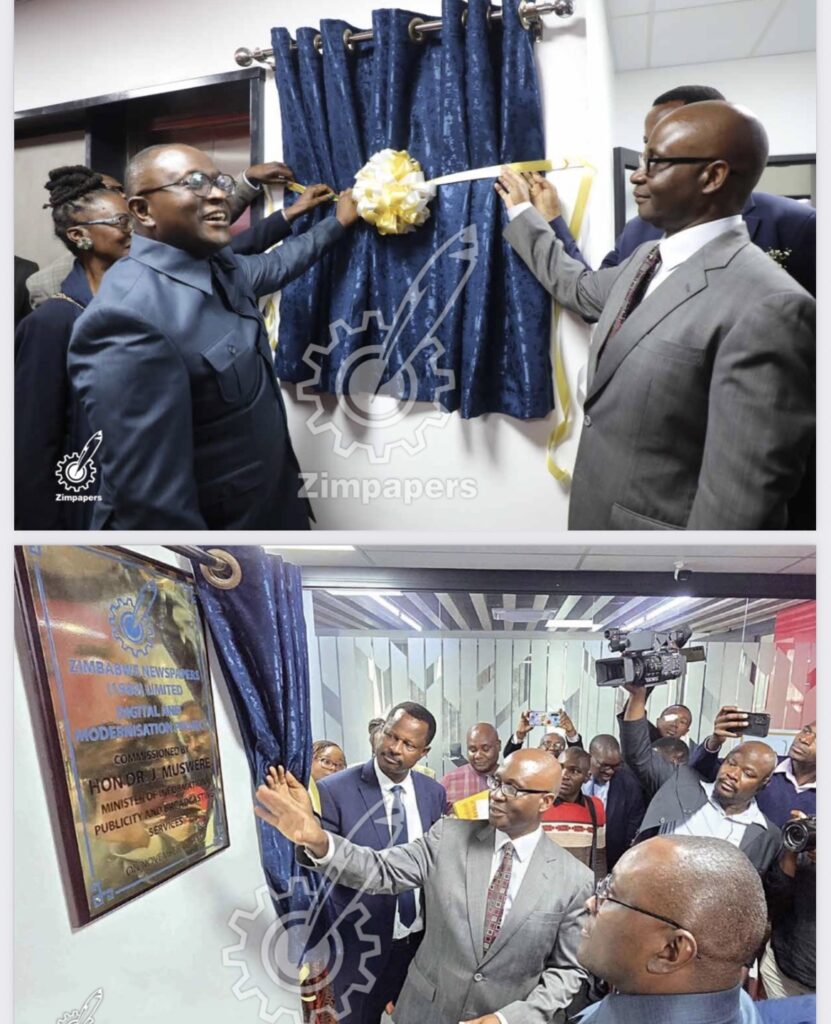
The official opening of the Zimpapers Integrated Newsroom at Herald House in Harare marks a meaningful moment in the long-term evolution of news media operations in Zimbabwe. This was not a ceremonial upgrade or a cosmetic consolidation of desks and screens. It was a structural reset of how journalism is organised, governed and executed across platforms.
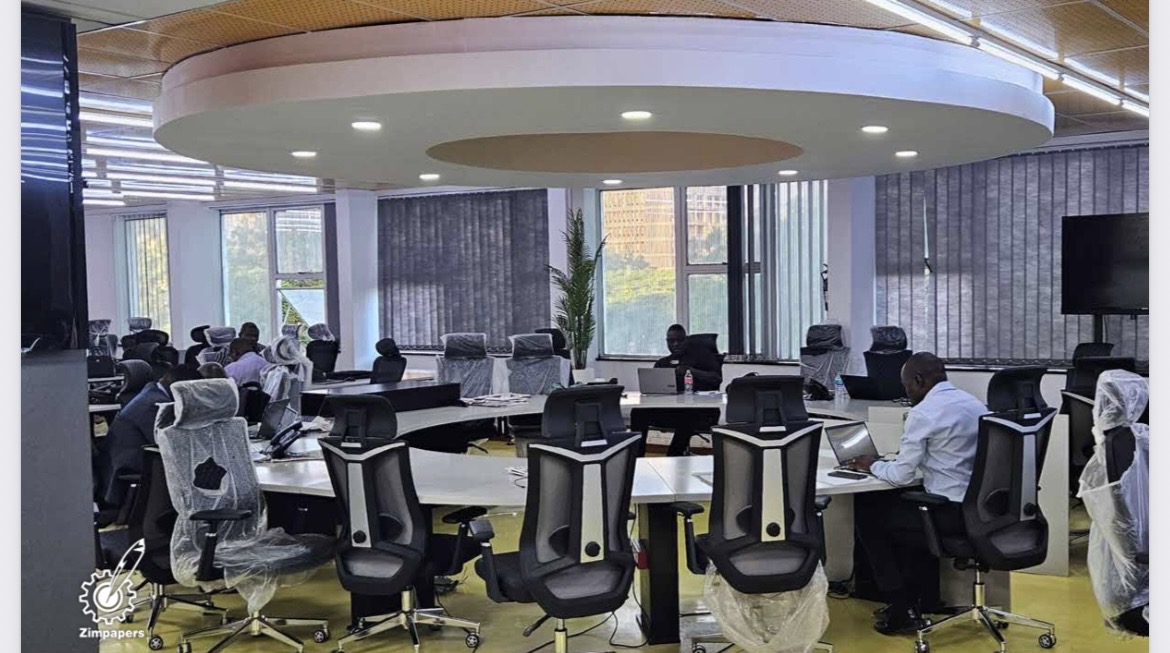
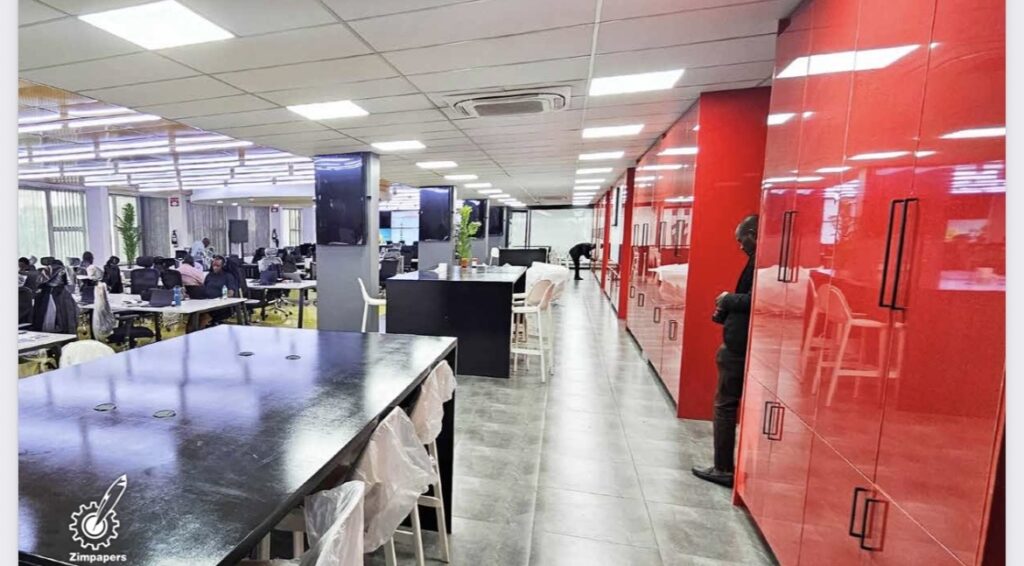
Innovation Media Consulting was commissioned to design and deliver the transformation in full. Our work covered the development of the integrated newsroom concept, the newsroom manual defining editorial workflows, roles and decision-making structures, and the physical design of the working environment itself. Concept, process and space were treated as one system — because sustainable newsroom transformation only works when all three are aligned.
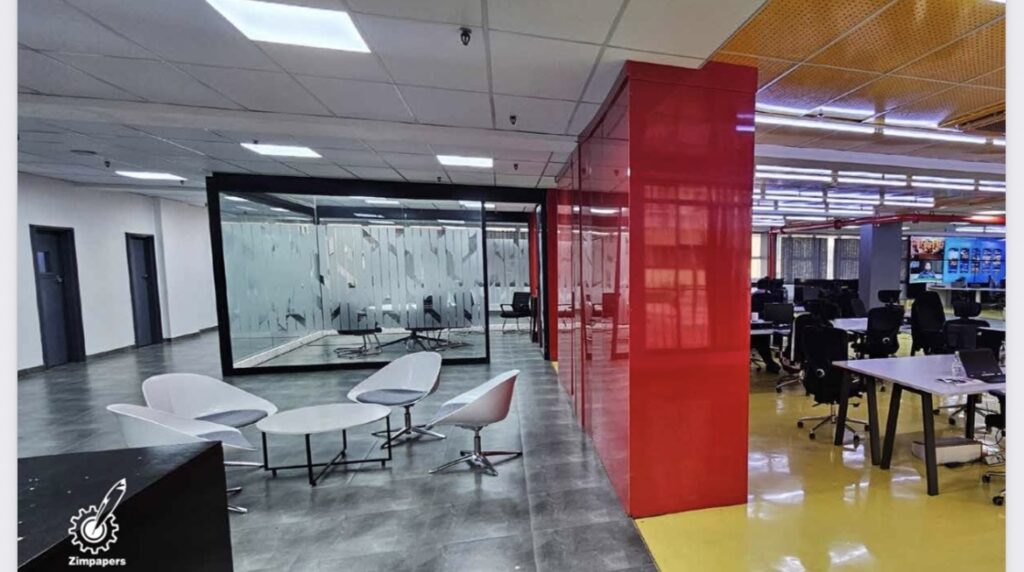
Importantly, the entire project was delivered in record time. Speed, however, was not the objective in itself. The priority was to ensure that Zimpapers now operates a newsroom that is robust, coherent and fit for purpose, capable of functioning properly under daily production pressure and over the long term. This is what guarantees sustainability — not technology alone, but clarity of structure and discipline of execution.
Speaking at the launch, acting Chief Executive Officer William Chikoto captured the operational intent behind the redesign, noting that the integrated newsroom enables the organisation to “plan, commission and publish content in a coordinated way across digital, print and broadcast platforms, with digital now at the centre of the workflow.” He emphasised that the newsroom is designed to function as a single production engine rather than a collection of parallel silos.
The Minister of Information, Publicity and Broadcasting Services, Dr Jenfan Muswere, echoed this strategic framing, describing the newsroom as a platform for modernising news production and strengthening national media capacity. He highlighted the importance of integration, efficiency and accountability in ensuring that public-interest journalism remains viable in a fast-changing media environment.
What matters here is not the opening ceremony, but what comes after it. The integrated newsroom now supports clearer editorial governance, faster and better-coordinated decision-making, and consistent output across platforms. It enables journalists, editors and producers to work within a shared operational logic, reducing duplication and friction while improving editorial oversight.
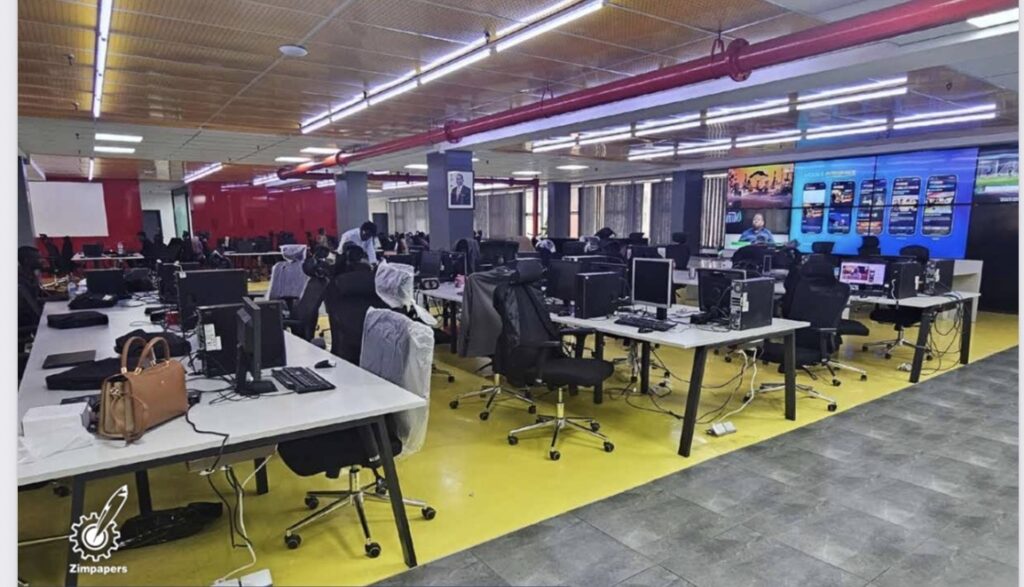
This is what a proper newsroom transformation looks like. Not a symbolic “digital first” label, but a working model that defines who does what, when and why — and supports those decisions through space, process and leadership structure.
For Zimpapers, this represents a decisive step towards becoming a resilient, future-ready media organisation. For the wider industry, it reinforces a simple but often overlooked lesson: sustainable media transformation is not about tools or trends. It is about design, governance and execution — delivered quickly when needed, but always done correctly.